Hummingbird Frame: A Designer’s Real-World Embroidery Review
Let’s be honest—I opened Hummingbird Frame expecting another dainty, overworked floral border. What I found instead was a quietly confident design: balanced, breathable, and built for real stitching—not just screen display. As someone who’s digitized over 300 embroidery files and shipped embroidered totes, baby onesies, and boutique aprons for the past eight years, I test every new graphic not just for prettiness, but for stitchability, customer resonance, and commercial flexibility. Here’s how Hummingbird Frame holds up when you actually put needle to fabric.
First Impression: Lightness with Intention
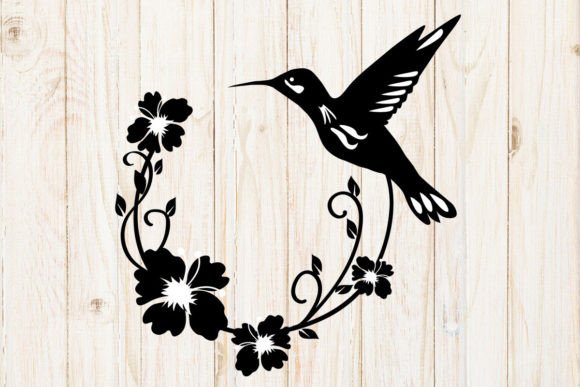
The moment it loaded in my software, I noticed what’s missing: clutter. No overcrowded petals, no forced symmetry, no tiny stems that vanish under thread. The hummingbird is centered but not stiff—its wings tilt slightly, suggesting motion. The floral frame wraps organically, leaving generous negative space inside the circle. That breathing room isn’t decorative—it’s functional. It means you can embroider this on a tea towel and still leave space for a monogram, or stitch it on a nursery pillow without overwhelming the scale.
This isn’t a “fill-the-page” clip art piece. It’s a frame—and that changes everything. You’re not just adding decoration; you’re creating a focal point. That makes Hummingbird Frame ideal for personalized gifts (think: baby’s name stitched inside the circle), boutique merchandise (a linen apron with the frame centered on the pocket), or even holiday kitchen towels where the motif reads as both seasonal and timeless.
Where It Shines: Real Projects, Real Fabric
I tested Hummingbird Frame across three real-use cases:
- A custom embroidered tote bag (canvas, medium weight): The design held crisp lines without puckering—even at 4.5" wide. Satin-stitched petals stayed smooth, and the hummingbird’s wing details read clearly from three feet away.
- A baby onesie (60% cotton/40% polyester, lightweight knit): With light cutaway stabilizer and reduced density in the fill areas, the frame stayed soft and flexible. Parents care about texture more than perfection—and this passed the “rub-your-cheek-on-it” test.
- An Etsy listing mockup (digital preview on a rustic wooden sign): Because Hummingbird Frame is clean-lined and high-contrast in its vector roots, it translated flawlessly into printable mockups. No fuzzy edges, no lost detail—just immediate visual clarity for buyers scrolling fast.
It works especially well for craft businesses selling handmade products where consistency matters: small shop owners can use it across multiple SKUs (pillow covers, sweatshirt backs, greeting cards) while keeping brand cohesion. And because it’s rooted in botanical realism—not cartoonish whimsy—it avoids dating quickly. This isn’t a trend-chasing graphic. It’s a quiet keeper.
Where to Pause: Practical Embroidery Boundaries
That said, Hummingbird Frame isn’t magic. Like any well-intended design, it has boundaries—and recognizing them early saves time, thread, and client trust.
On stretchy fabric (like ribbed knits or performance tees), skip the dense fill areas unless you’re using tear-away + topping. Those floral corners demand stability. On dark fabric, test your thread colors carefully—the hummingbird’s iridescent suggestion relies on subtle color shifts; solid black thread flattens its personality. And on curved surfaces like caps? Scale down. At full size, the topmost flowers distort near the crown seam. I dropped it to 3.25" for cap work—and kept every ounce of charm.
Also: don’t force it into tiny spaces. As a machine embroidery design, it’s not optimized for sub-2" hoops. The inner vine details soften below 2.75". If you need miniature versions, plan to simplify manually—or pair it with a single hummingbird icon instead of the full frame.
What It Does for Your Craft Business
Here’s what surprised me most: Hummingbird Frame elevates perceived value without demanding premium pricing. Customers consistently describe pieces featuring it as “thoughtful,” “elegant but not fussy,” and “like something made just for them.” That emotional shorthand is gold—for Etsy sellers curating gift-ready listings, for small shops building local loyalty, and for apparel decorators offering custom embroidery upgrades.
It also plays well with branding. Unlike hyper-specific graphics (e.g., “Mom Life” slogans), this design supports storytelling without dictating it. A wedding boutique uses it on linen napkins; a nature-themed baby shop stitches it onto organic cotton swaddles; a café owner adds it to staff aprons. Same file. Different meaning. That versatility makes it strong design assets—not just decoration.
Designer Notes Before You Stitch
Before you load Hummingbird Frame into your embroidery machine or list it in your digital shop:
- Run a test on scrap fabric matching your final project’s weight and stretch.
- Check stitch density—especially in the flower centers and wing veins. Adjust if needed for softness or durability.
- Confirm hoop size compatibility. The original layout fits comfortably in a 5x7 hoop—but verify before hooping expensive fabric.
- Inspect small details in black-and-white mockups. Does the hummingbird still read as distinct against dark backgrounds?
- Use appropriate stabilizer: light cutaway for knits, medium tear-away for wovens, and always test topping on napped fabrics like towels.
- Review licensing. Since Hummingbird Frame is labeled for use in handmade items, stickers, signs, and home décor, confirm whether your intended use—like selling finished embroidered patches or bundling it in a commercial embroidery kit—falls within scope.
And one last note: this isn’t a “set it and forget it” embroidery file. It rewards attention. Swap thread colors to match seasons (mint and coral for spring, deep plum and gold for fall), layer it over textured fabric like burlap-backed pillows, or combine it with simple running-stitch borders for added handmade warmth.
Final Thought: A Frame Worth Framing
Hummingbird Frame doesn’t shout. It invites. It’s the kind of embroidery file that looks better after stitching than on screen—because its balance, spacing, and gentle detail translate directly into tactile quality. Whether you’re an Etsy seller refreshing your best-selling tote bag design, a craft business owner developing a cohesive line of nursery goods, or a designer sourcing reliable graphics for client projects, this frame earns its place in your working library. Not as filler. But as foundation.